“We must have the right tax policies and labour law policies and energy policies, to be able to win their trust and to improve their lives.”
That’s Liberal Senator Andrew Bragg on winning back Western Sydney. A sentence composed of correct words that mean nothing. Somewhere out past Parramatta, a mum and dad who can’t afford the suburb they grew up in are being offered a labour market setting.
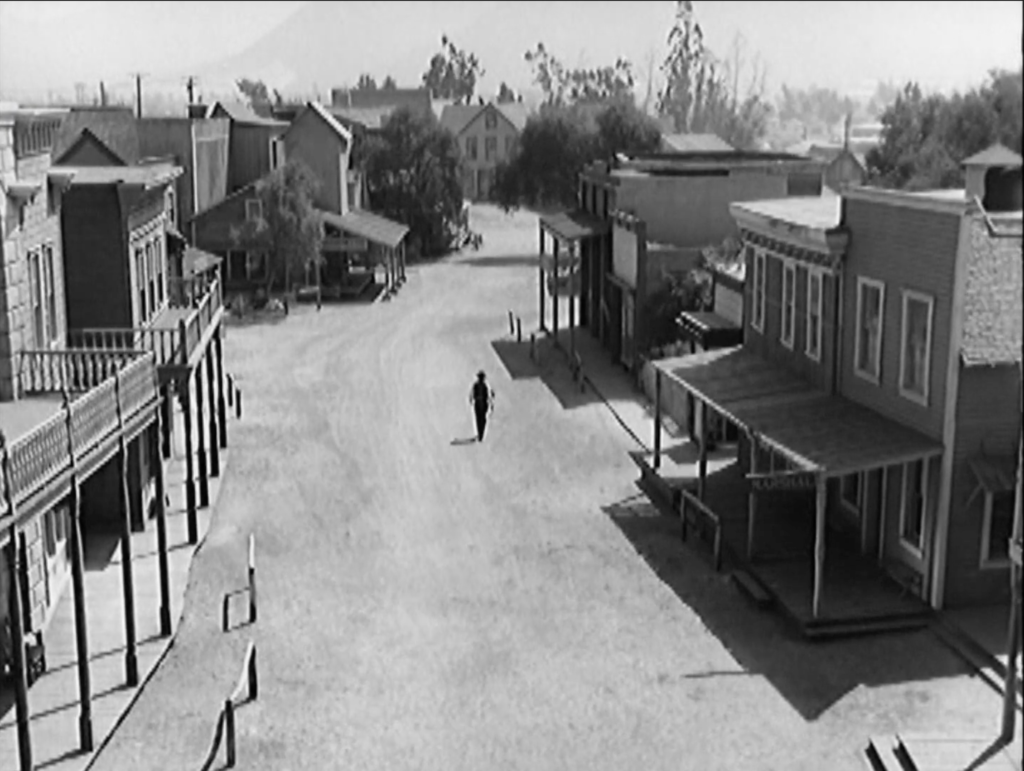
There’s a 1952 western called High Noon. A marshal learns a killer is arriving on the noon train. He has time to leave town, but he stays, and he asks the townspeople to stand with him. They agree the danger is real. They find reasons to stay inside.
The essential scene takes place in a church. The congregation is not made up of cowards—they are respectable people with interests to protect, reputations to maintain, businesses that depend on stability. They discuss what prudence requires, what risks are proportionate, what the town’s economic future demands. They speak carefully and sound responsible. A few suggest that perhaps the marshal is the one causing trouble by staying; that the killer’s grievance is with him and not with them. They vote to remain inside. The lawman walks out alone.
The voters Bragg is describing are not requesting improved settings. They want to know if anyone in authority will accept risk. They have watched institutions enforce rules selectively, noticed who is permitted to speak plainly and who is sanctioned for it. They know the people in charge are embarrassed by them. They have heard it all before from the respectable people—’now is not the time.’
High Noon ends with the marshal saving the town despite the town. He kills the outlaws in the street while the townspeople watch from behind curtains. Then he removes his badge and drops it in the dirt. He doesn’t say anything. He doesn’t need to. The town wasn’t worth the badge.
This is how realignments happen. Not through policy failure but through perceived abandonment. Voters will forgive a party for losing a fight. They will not forgive it for refusing to enter one. Once a voter concludes the party wouldn’t stand with them, the conclusion is moral. It doesn’t respond to tax settings.
Most people watching the Liberal Party are still waiting for someone to walk out of the church.
John Wayne despised High Noon. He thought its lawman was degraded—a man going door to door begging shopkeepers for permission to do his duty. For Wayne, asking was enough. The authority was already gone. Seven years later, he made Rio Bravo as a deliberate answer.
In Rio Bravo, there’s a criminal in the jail and a murderous gang coming to free him. The sheriff doesn’t canvass the town or ask for permission to do his job. He gathers a small group willing to fight: a deputy recovering from alcoholism; an old crippled man with limited capacity but absolute loyalty; a young gunfighter with no stake in the town but who can recognise seriousness when he sees it. The town may assist or abstain. The jail will be held regardless.
One Nation does not attract voters through superior policy. It attracts them because it looks like it will hold the jail. The Liberal Party keeps losing ground because it looks like it will find a sophisticated reason to let the prisoner go. Voters are not comparing policies. They are judging character.
Mum and Dad in Western Sydney aren’t asking for much. They want representatives who aren’t embarrassed to stand next to them—who won’t treat their concerns about immigration, housing, or what their kids are taught as things to be smoothed over rather than fought for. They are watching to see who will stand in the street, and who will find a reason to stay inside.
The Liberal Party, with notable exceptions, remains inside. It shouldn’t be surprised when Western Sydney decides the party isn’t worth the badge.